SC Governor seeks to weigh in as lawyers turn to federal court to halt execution
READ MORE
South Carolina Death Row
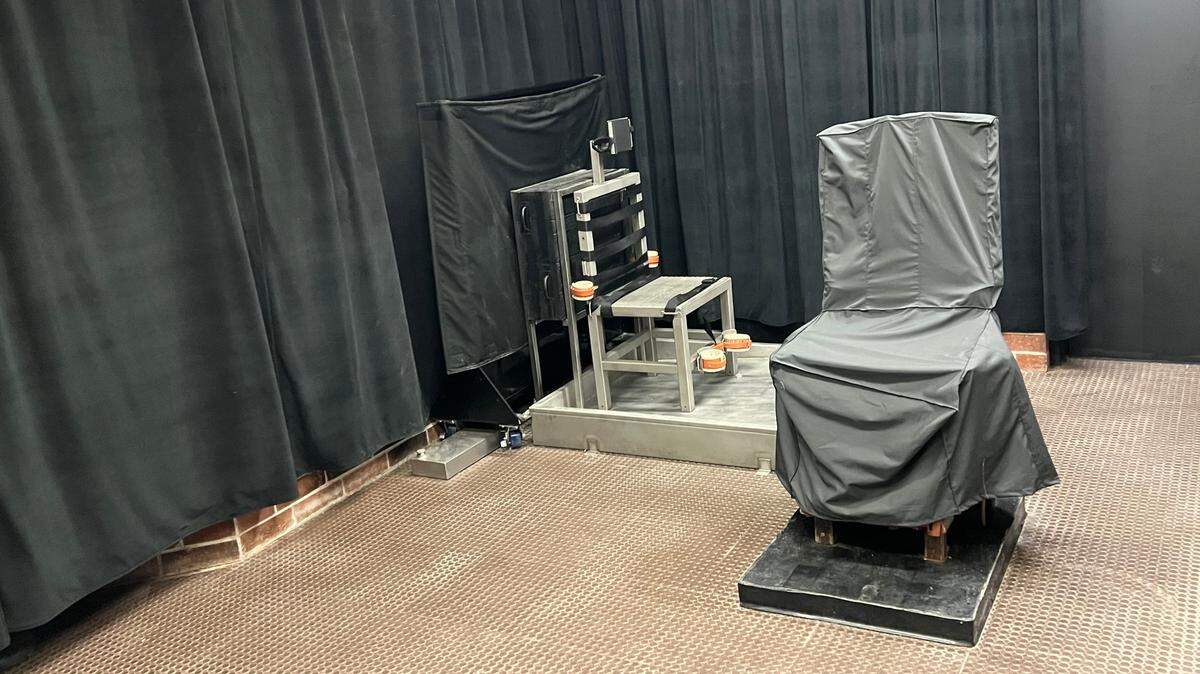
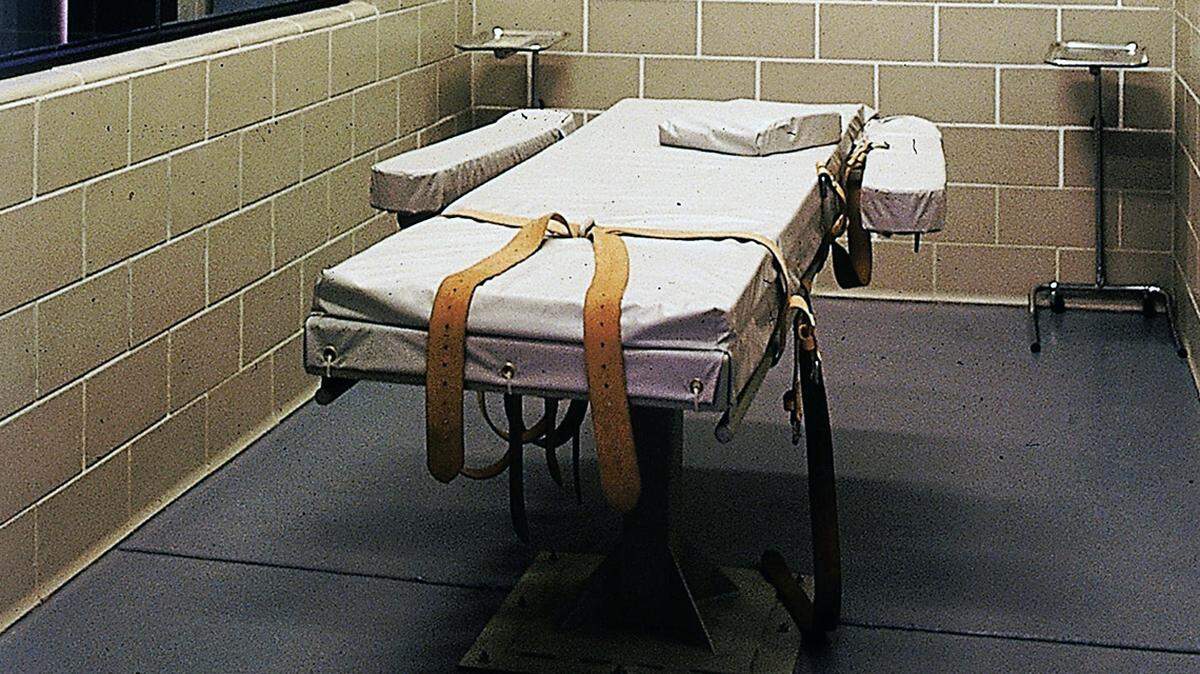
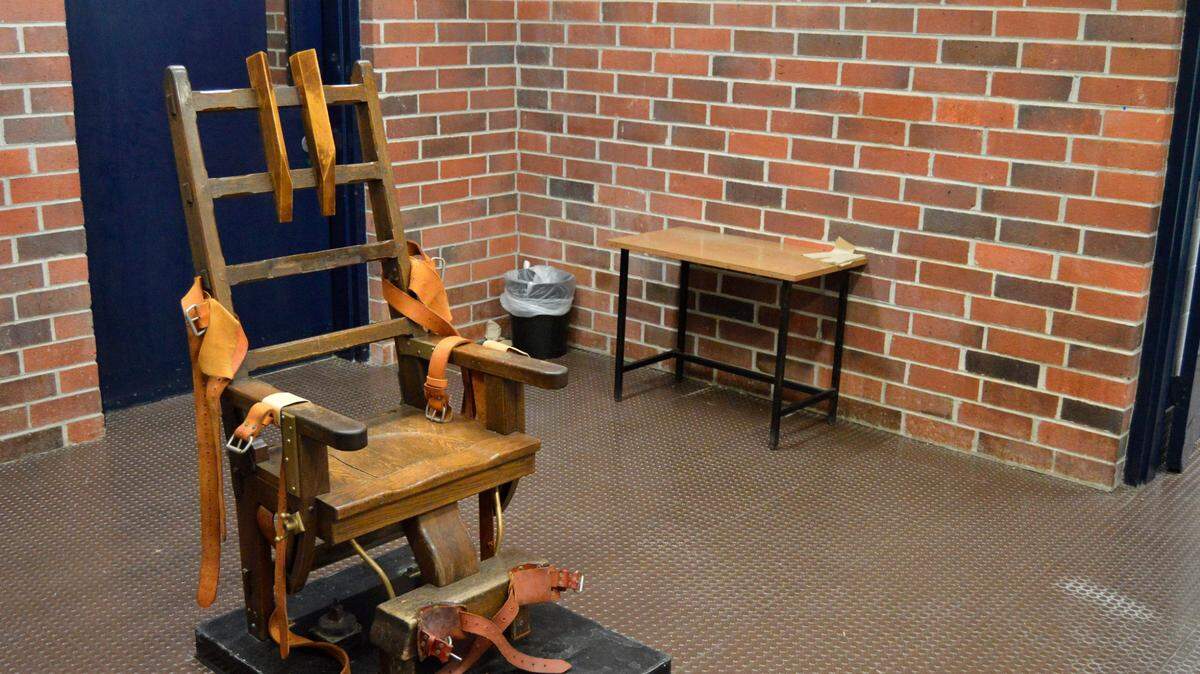
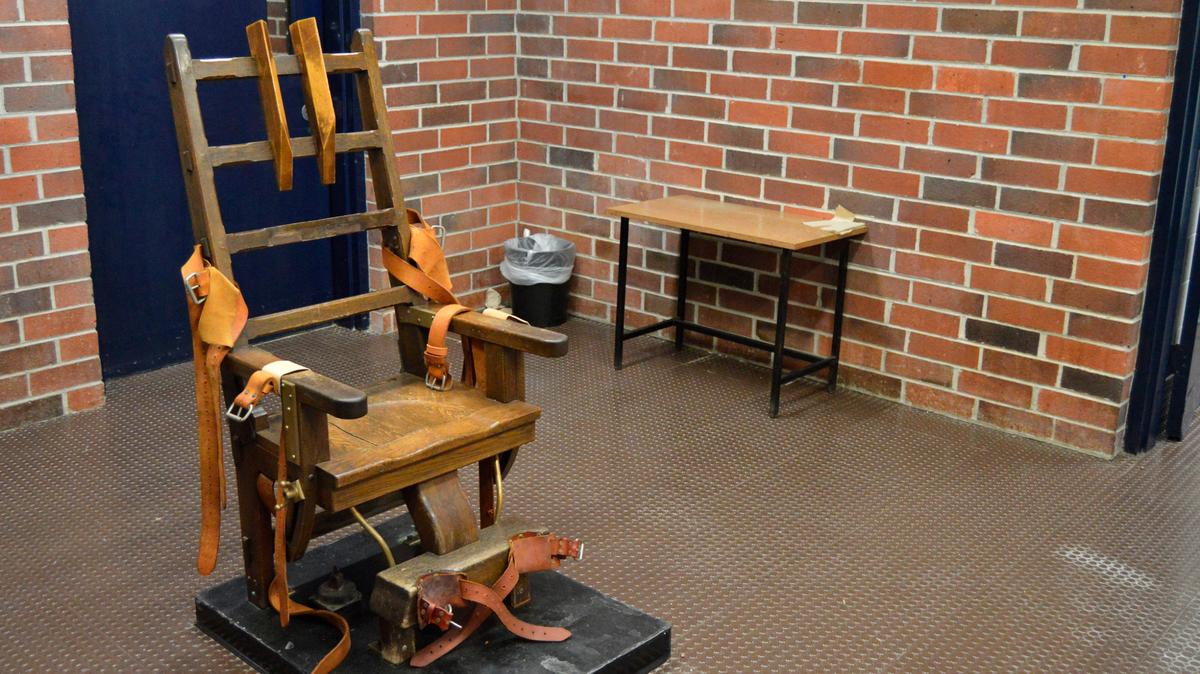
Death row inmates in South Carolina are given the choice of their method of execution between lethal injection, the electric chair and the firing squad.
Expand All
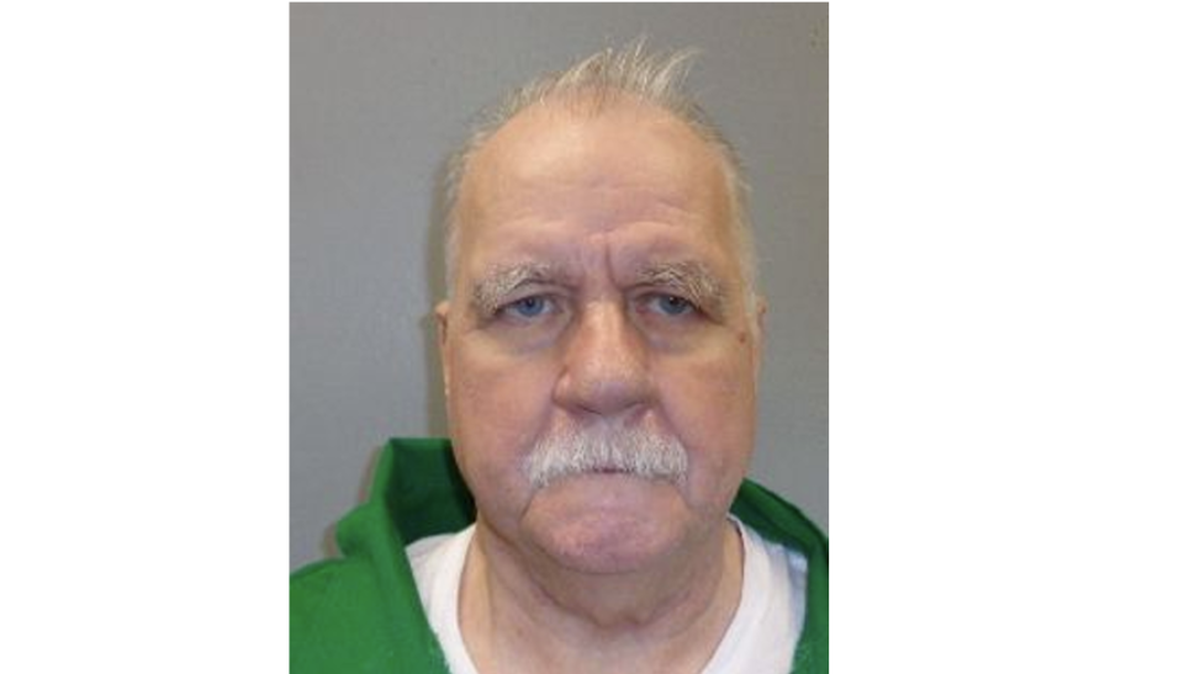
As time and avenues for his appeals run out, lawyers for Freddie Owens have asked federal courts to pause his execution.
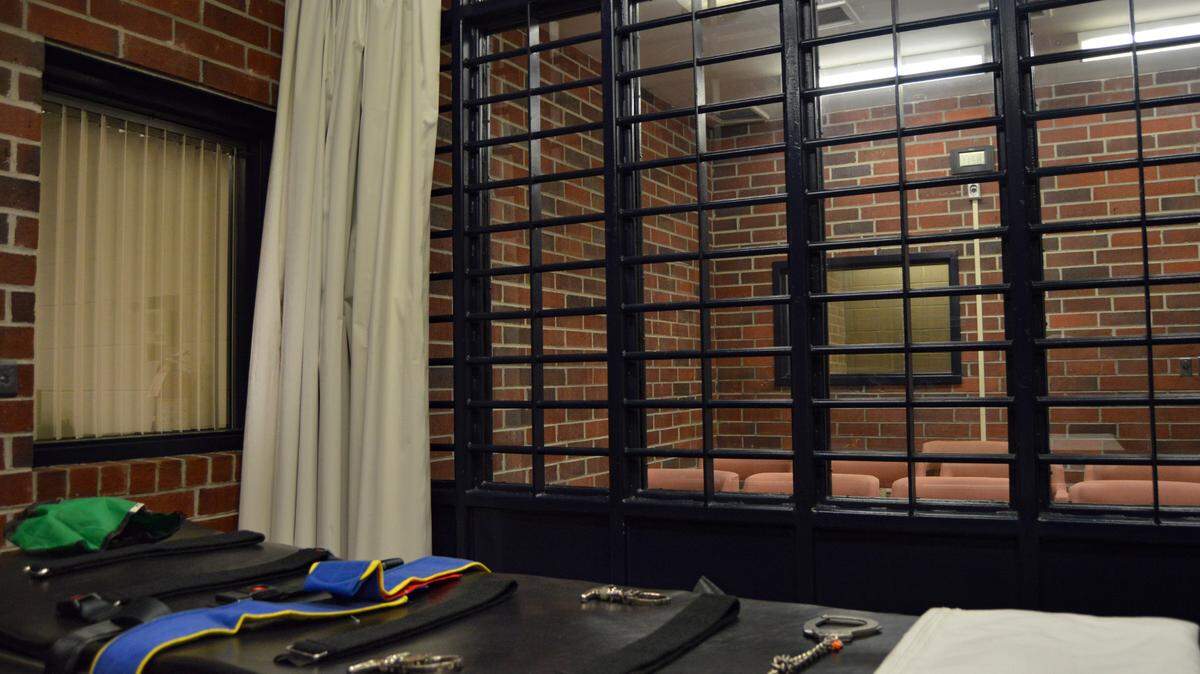
At question is whether South Carolina prison officials have provided enough information about the lethal drug that’s expected to be administered to Owens in the state death chamber at the Broad River Correctional Institution in Columbia at 6 p.m. Friday.
The lack of information has raised fears that the execution will fail or cause Owens extreme pain and suffering, according to his attorneys.
It would be the first time an execution is held in South Carolina since 2011, when the state ran out of the drugs used in lethal injections. Friday’s planned execution is the culmination of a multi-year legislative effort to resume the death penalty, which included passing an ironclad shield law forbidding any disclosure about the sourcing, manufacturing, transportation, personnel and companies involved with the drugs used in lethal infections.
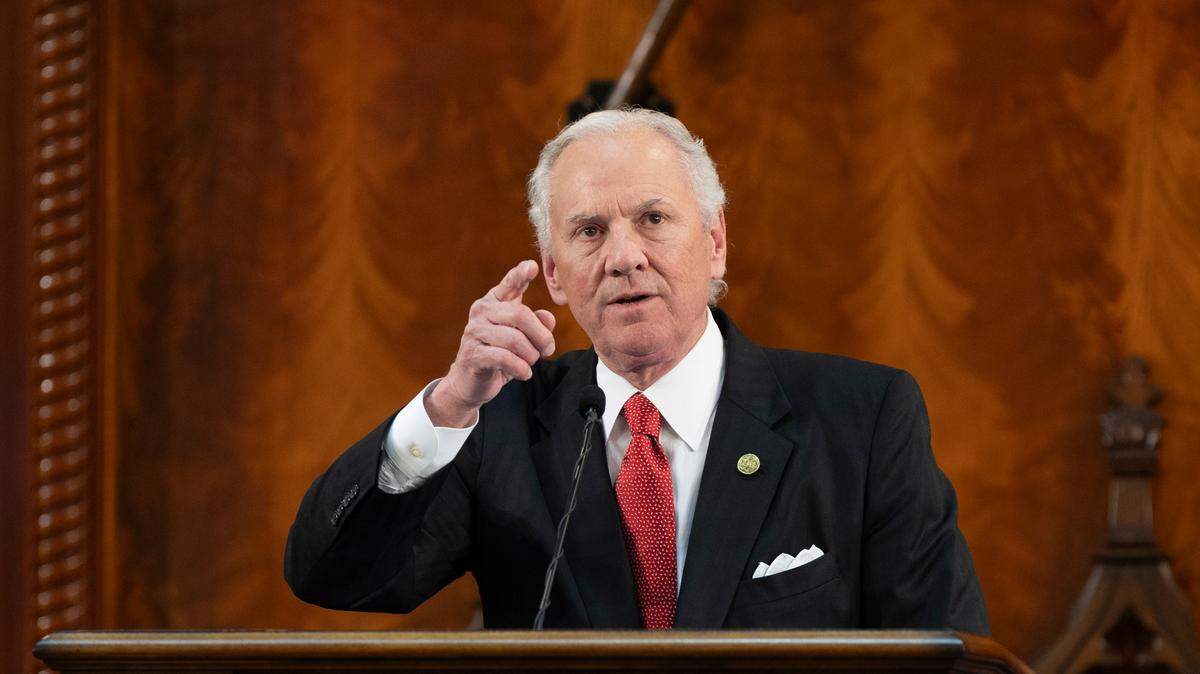
On Tuesday, a federal court judge allowed Gov. Henry McMaster, a supporter of the death penalty, to become a party to Owens’ case.
While South Carolina’s Supreme Court agreed with the state Department of Corrections that the agency had provided the required information to show the drug met the department’s legal obligations, Owens’ lawyers argue that the federal court should temporarily halt his execution until they can hold a hearing on his motion.
Lawyers for Owens from the federal public defenders office in Charlotte, along with private attorney Josh Kendrick and Lindsey Vann from Justice360, a nonprofit law firm that defends death row inmates, have argued that they are not asking for information that would violate state shield laws.
Instead, in last Friday’s legal filings they’ve said that they are only seeking information about the “testing and properties of the drug” as well as the professional qualifications of the execution team members, including those who will be inserting the IV. This information is to allow Owens “reasonable information needed to make an informed decision about the method by which he will be put to death.”
After the South Carolina Supreme Court issued an order earlier this month saying that state Department of Corrections Director Bryan Stirling had “adequately” explained how the drug was tested, Owens attorneys said that they were compelled to select lethal injection as Owens’ method of execution to prevent him from being executed via the electric chair. Electrocution is the default method of death in South Carolina.
Citing his Muslim faith, Owens designated his attorney Emily Paavola to select his method of execution for him because making the choice himself would be “akin to suicide.”
As part of his conversion to Islam, Owens legally changed his name to Khalil Divine Black Sun Allah, but continues to go by the name Freddie Owens in his legal filings. In 1999, Owens was convicted of murdering gas station clerk Irene Graves during a robbery spree in Greenville when he was 19 years old.
What are Owens’ attorneys saying?
On Aug. 28, Stirling filed an affidavit testifying that lethal injection was “available via a single dose of pentobarbital.” A powerful barbiturate, pentobarbital is used medically as a sedative and kills by stopping breathing.
In his affidavit, Stirling stated that two vials of the drug acquired by the department had been tested by the South Carolina Law Enforcement Division’s crime lab. SLED personnel confirmed that the drug was pentobarbital at a concentration of 50 milligrams per milliliter. This “is sufficiently potent such that administration in accordance with the protocol will result in death,” Stirling wrote.
But in their filing, Owens’ attorneys argue that Stirling’s affidavit falls short of the law’s requirement that Stirling, as corrections director, provide “basic facts” about the drug’s creation, quality, reliability and stability.
In an earlier motion submitted to the state Supreme Court, Owens’ attorneys requested that the corrections department provide additional information including the actual test results, the testing method, the date that the drugs were tested, their method of storage and their “beyond-use” date.
Citing Michaela Almgren, a professor of pharmacology at the University of South Carolina, Owens’ attorneys argued that the absence of this information meant that Owens ran the risk of being injected with expired or degraded drugs, which could cause unnecessary pain and suffering during his execution.
This issue is particularly pressing, Owens’ attorneys argue, because over the past decade 18 executions have been botched nationally, five of which failed completely, according to information from the Death Penalty Information Center.
Providing answers to this “tailored request for information, much of which is not even barred from disclosure by state secrecy rules concerning executions,” would not threaten South Carolina’s ability to impose the death penalty, Owens’ attorneys argue.
Why is Gov. McMaster seeking to weigh in?
A prosecutor who served as both U.S. Attorney for South Carolina and the state’s elected Attorney General, McMaster has long indicated his support for the death penalty.
In a statement released after he signed the state’s lethal injection shield law in May 2023, McMaster said, “For over five years, (Corrections) Director (Bryan) Stirling and I have called upon the General Assembly to pass a shield law so South Carolina could resume the enforcement of a jury’s lawful death sentence. This law will hopefully provide closure and justice for the grieving families and loved ones who have had to wait too long.”
On Monday, lawyers for McMaster filed a “motion to intervene” in Owens’ case, arguing that the governor should be included as a party. Owens’ federal case made no mention of McMaster’s opinions on the death penalty, it argued that the governor’s office had “significant interests” in being a party to the case and described Owens’ motion as an attempt to “challenge” and “circumvent” the state’s shield law.
Failing to include him as a party would prevent him from defending the shield law, McMaster’s attorneys wrote.
It would also challenge his exclusive right as governor to grant clemency.
“If a court were to grant Plaintiffs (Owens) their requested relief, it would also effectively grant an indefinite reprieve to inmates on death row via judicial decree rather than by executive clemency... which only the Governor is authorized by law to do.”
This story was originally published September 18, 2024 at 11:47 AM.
.jpg)