As execution deadline looms, SC Supreme Court finds recanted witness testimony not reliable
READ MORE
South Carolina Death Row
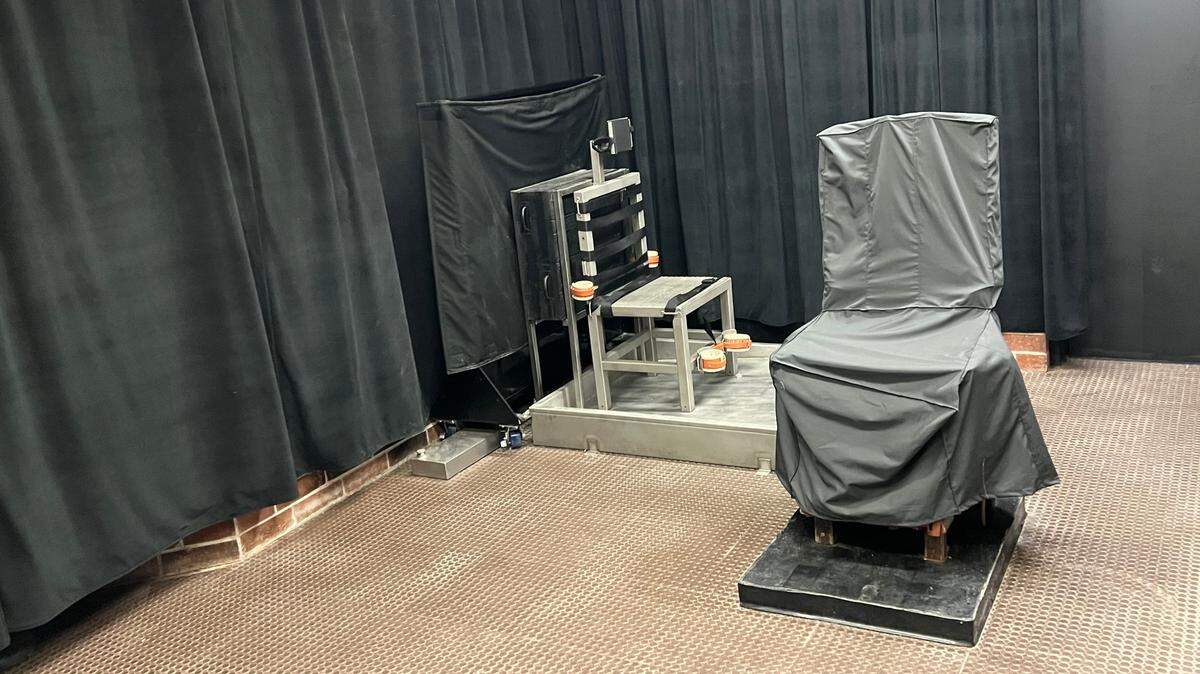
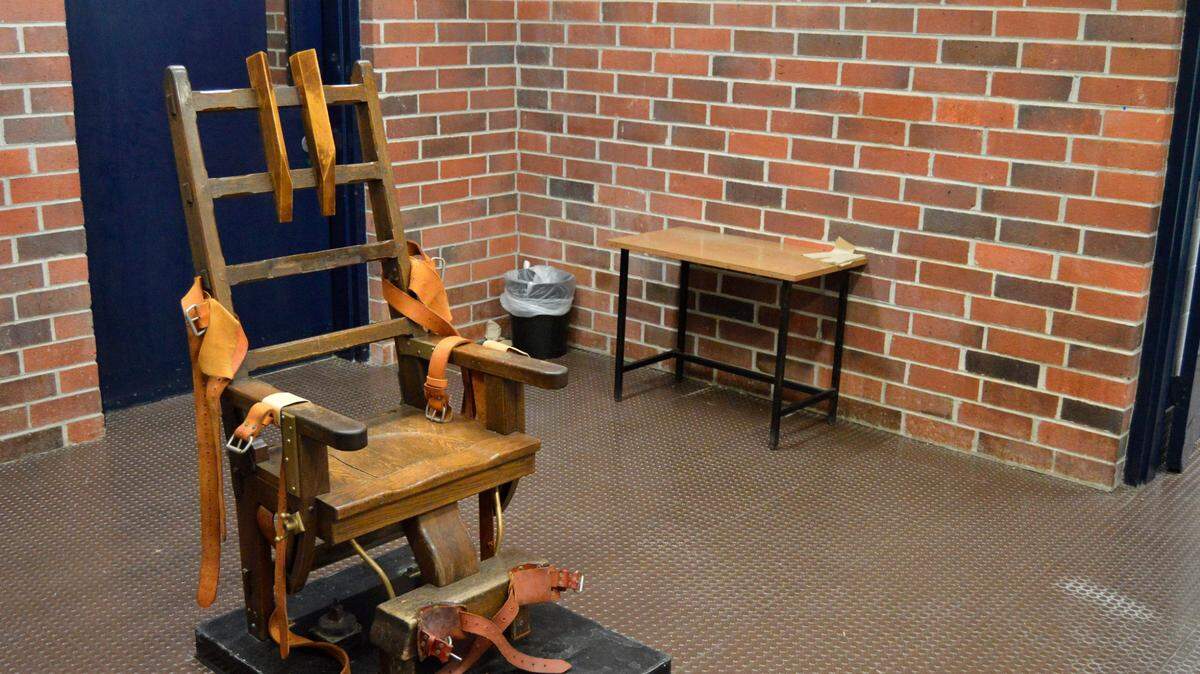
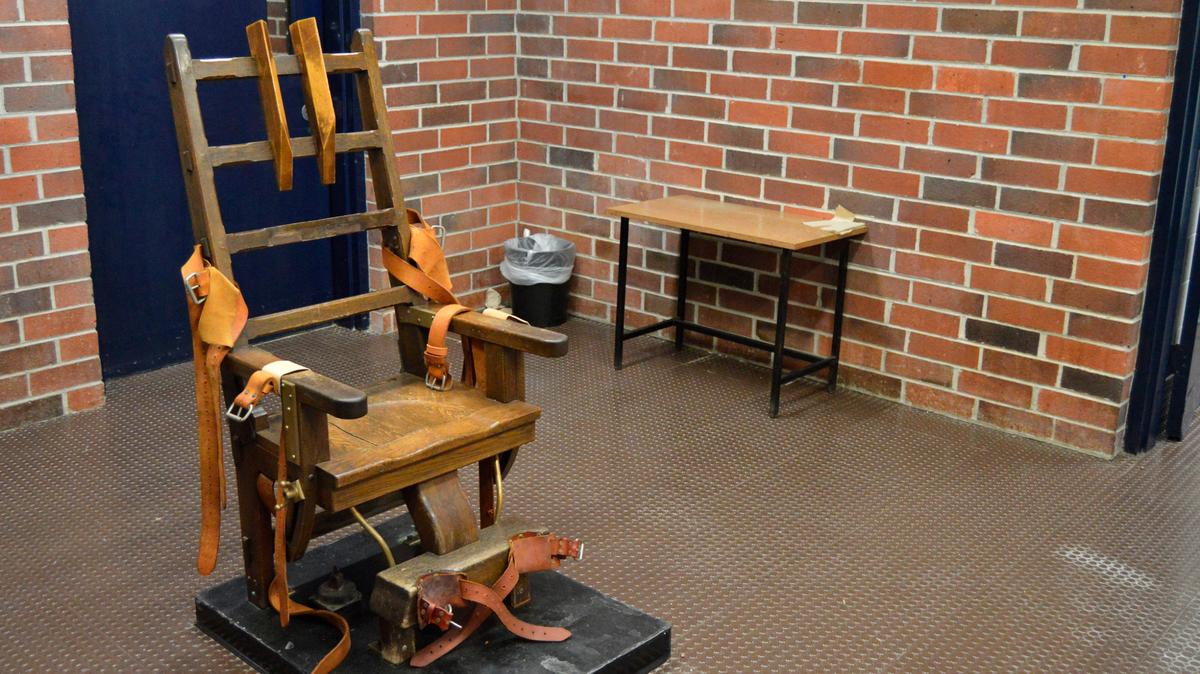
Death row inmates in South Carolina are given the choice of their method of execution between lethal injection, the electric chair and the firing squad.
Expand All
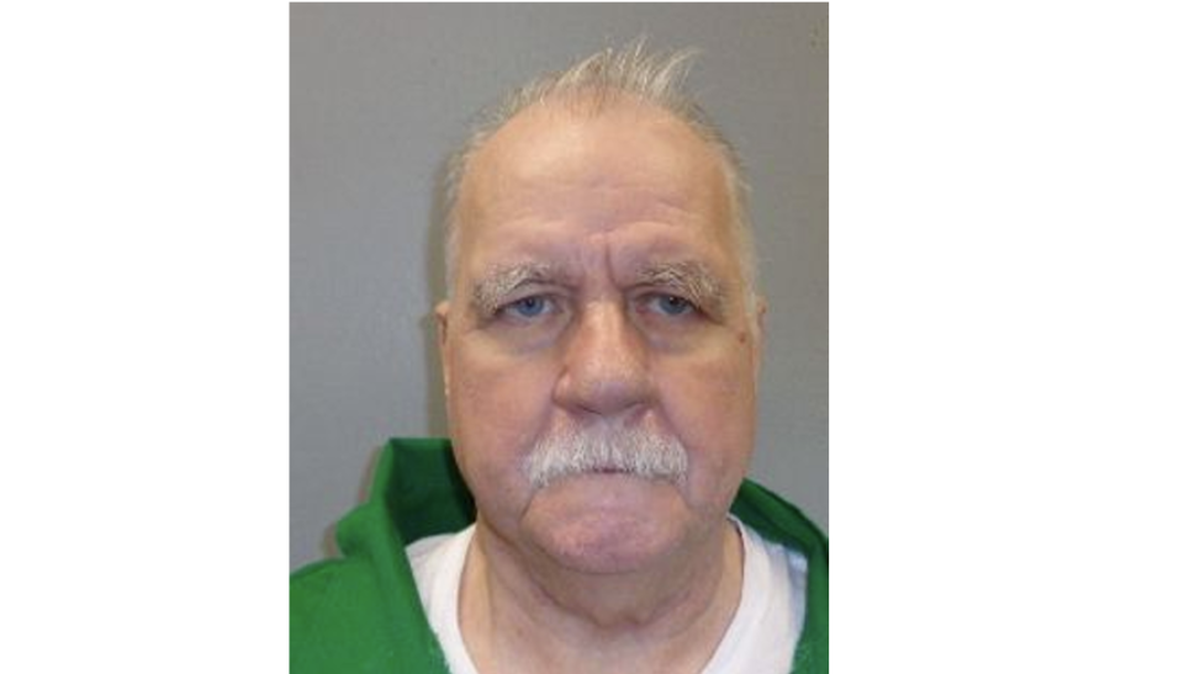
On the eve of his execution, state and federal courts rejected appeals from South Carolina death row inmate Freddie Owens.
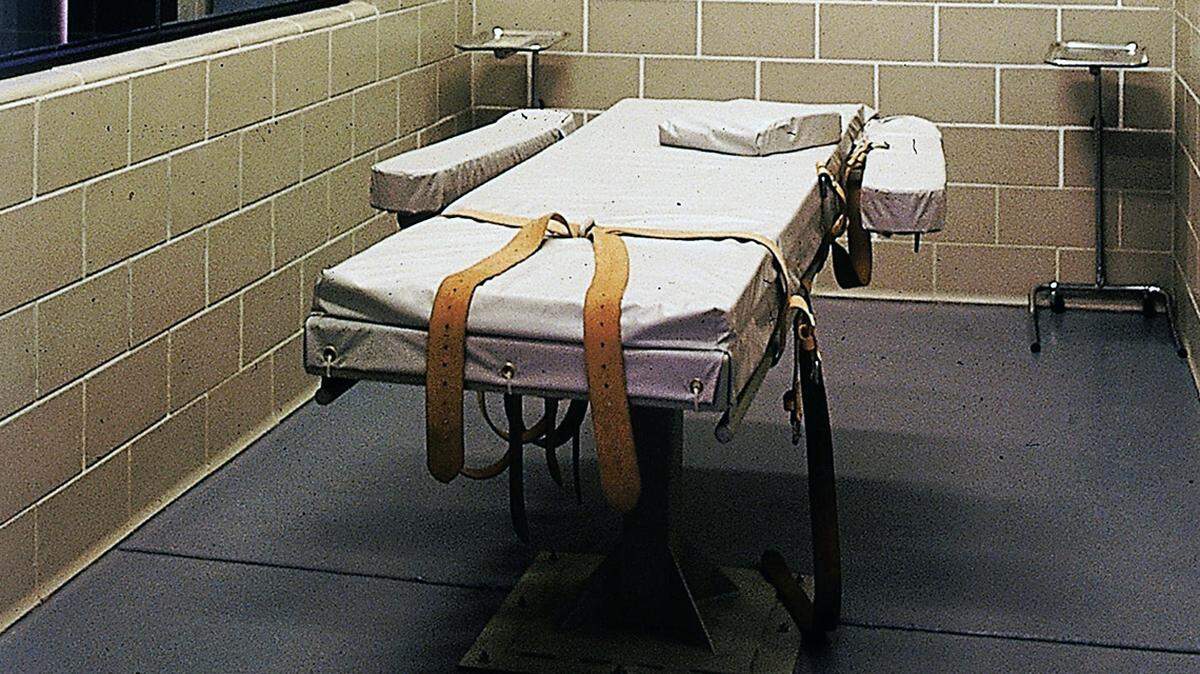
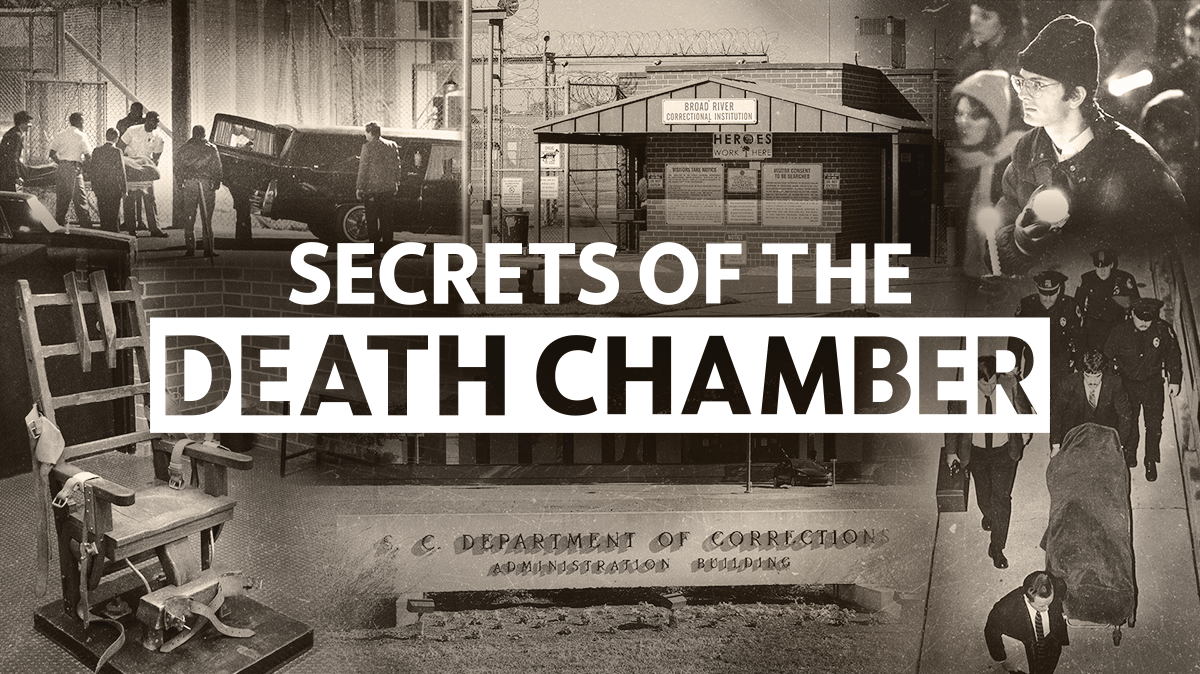
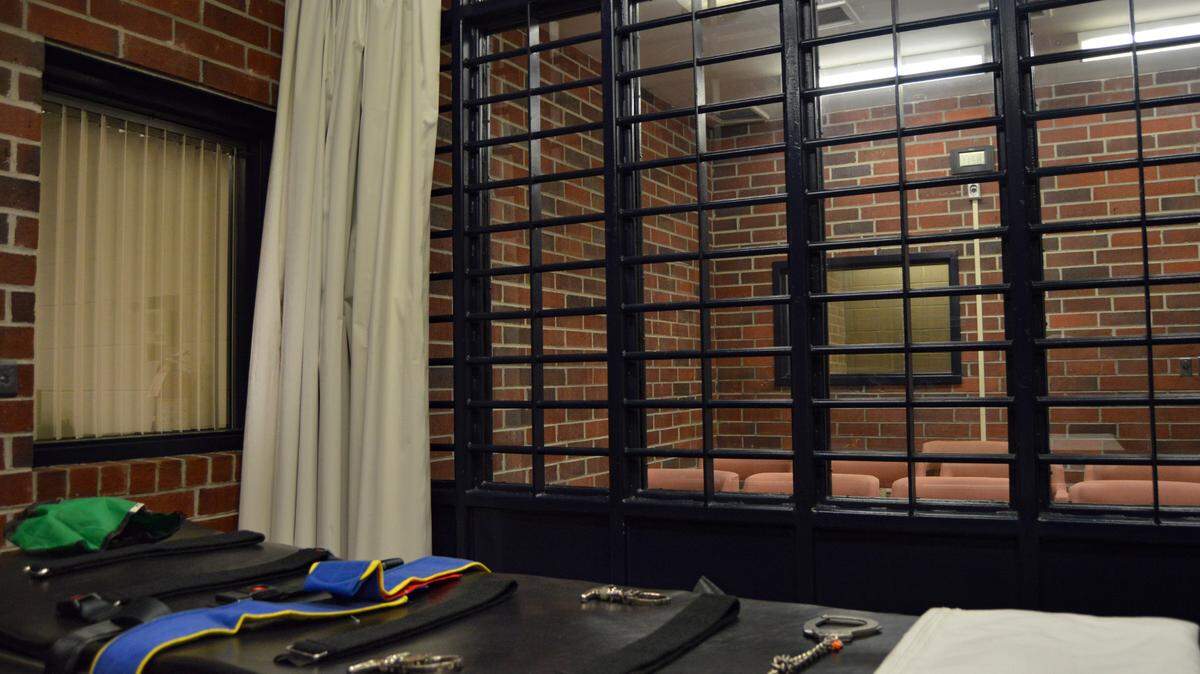
This clears the way for Owens to be executed by lethal injection at 6 p.m. today at the state death chamber inside of the Broad River Correctional Institution in Columbia. It will be the first execution in South Carolina in 13 years — the state had run out of the drugs used in lethal injections.
The rulings, which came Thursday evening, were a double blow to Owens’ hope that judges would halt or delay his execution. The South Carolina Supreme Court was unconvinced by claims from Owens’ co-defendant in his 1999 trial — who was also the case’s key eyewitness — that he had made up his testimony.
At the same time, a federal court dismissed the argument that state corrections officials had not provided enough information about the deadly drugs they intend to use to kill Owens. An appeal to the Fourth Circuit Court of Appeals was similarly denied in a short, two-sentence order Friday morning.
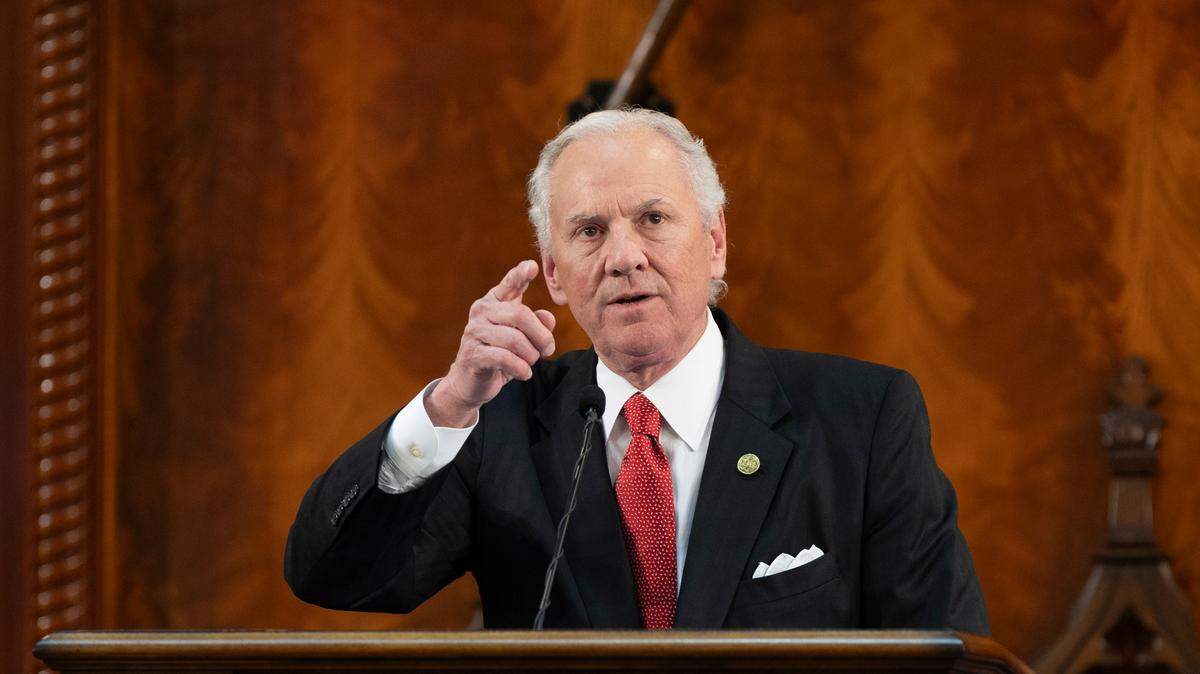
Now, few avenues remain for Owens to halt his execution. While Owens’ attorneys have appealed the federal court’s rulings to the Fourth Circuit Court of Appeals, few other legal options remain and hopes for clemency from Gov. Henry McMaster, a public supporter of the death penalty, are likely slim.
Owens was sentenced to death in 1999 for the murder of Irene Graves, a gas station clerk and mother of three who he shot and killed during an armed robbery. Graves was killed in the early hours of Nov. 1, 1997, during an armed robbery spree perpetrated by the 19-year-old Owens and three other teenaged accomplices. One of them, Steven Golden, testified at trial that Owens shot Graves inside of the Starvin’ Marvin Speedway gas station in Greenville County when she was unable to open the safe.
On Wednesday, Golden submitted an affidavit recanting this testimony. In his signed statement, he said Owens was not even in the gas station the night Graves was killed and she was murdered by a different individual who Golden said he knew but declined to name.
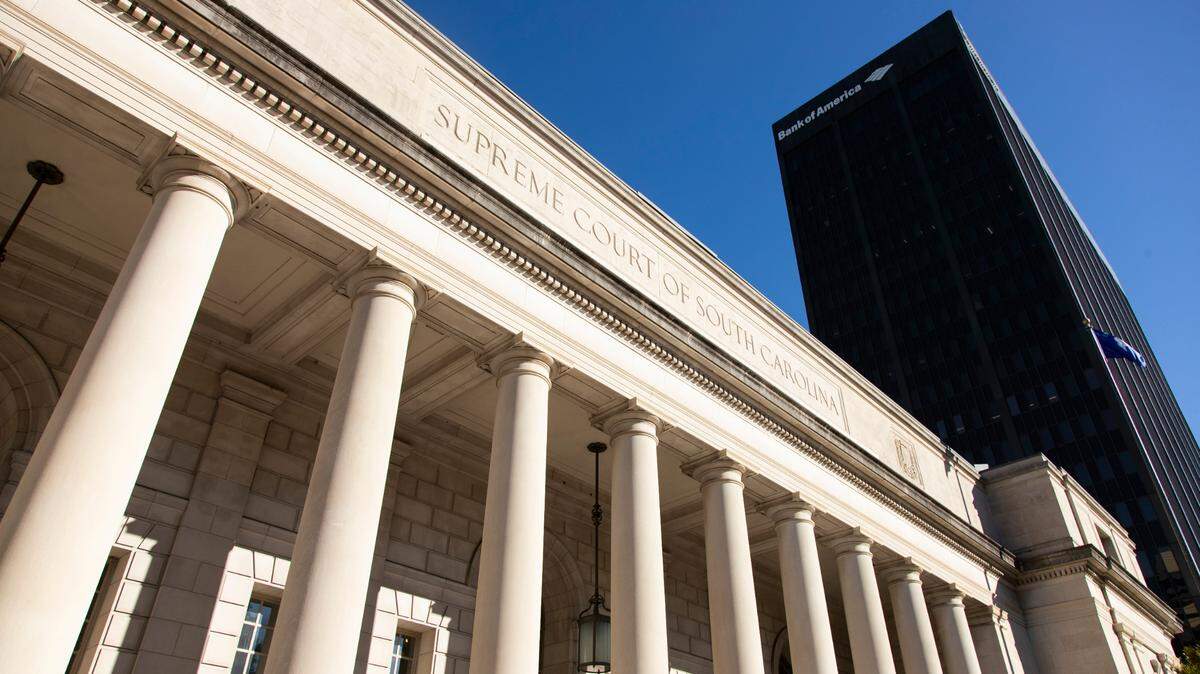
This 11th-hour claim did little to move the South Carolina Supreme Court. Recanted testimony “is among the least reliable evidence,” the court wrote in its order, released Thursday.
In their brief, three-page order, the justices highlighted the differences between Golden’s recantation and his previous testimony as well as the statement he signed following his arrest in 1997. While Golden was the sole eyewitness, the justices also pointed to the other corroborating witnesses who heard Owens admit to, or brag about, killing Graves. Among them were two detectives, another accomplice who waited outside in the car the night of the murder, Owens’ then girlfriend and his own mother.
“We are disappointed by the South Carolina Supreme Court’s decision not to intervene in Freddie Owens’s case. South Carolina is on the verge of executing a man for a crime he did not commit. We will continue to advocate for Mr. Owens,” said Gerald “Bo” King, a member of Owens’ legal team and the chief of the capital habeas unit for the Fourth Circuit Federal Public Defender.
What did federal courts say?
On Thursday, U.S. District Judge Jacquelyn Austin also put a halt to another attempt from Owens’ legal team to stop his looming execution.
Ruling Thursday, Austin found that Owens had received all of the information that he was entitled to in order to select his method of execution.
South Carolina law sets electrocution as the default method of execution but allows death row inmates to select either lethal injection or death by firing squad. However, the state’s so-called shield laws prohibit the disclosure of almost all information about the procurement of drugs for or the procedures of the lethal injection.
Owens’ attorneys had argued, first to the South Carolina Supreme Court, that the state Departnent of Corrections had not provided enough information about the drug, pentobarbital, that will be used to execute Owens. While lethal injections have historically been performed using a three drug-cocktail, Owens will be executed using a relatively novel technique that relies solely on pentobarbital, a sedative that can stop breathing at high doses.
Considerable concern has been raised about the lack of transparency in the procurement of the drug, with attorneys for Owens saying that the lack of transparency heightens the risk of a botched execution, violating Owens’ constitutional protection from cruel and unusual punishment.
In her ruling, Austin said that Owens “overstates” his rights. Austin wrote that the law gave Owens “the right to choose his method of execution — period, not the right to discover what is, objectively, the best choice, nor the right to discover whether the execution methods are constitutional.”
This story was originally published September 20, 2024 at 10:35 AM.
.jpg)