Someone’s not telling the truth about South Carolina’s death penalty | Opinion
READ MORE
South Carolina Death Row
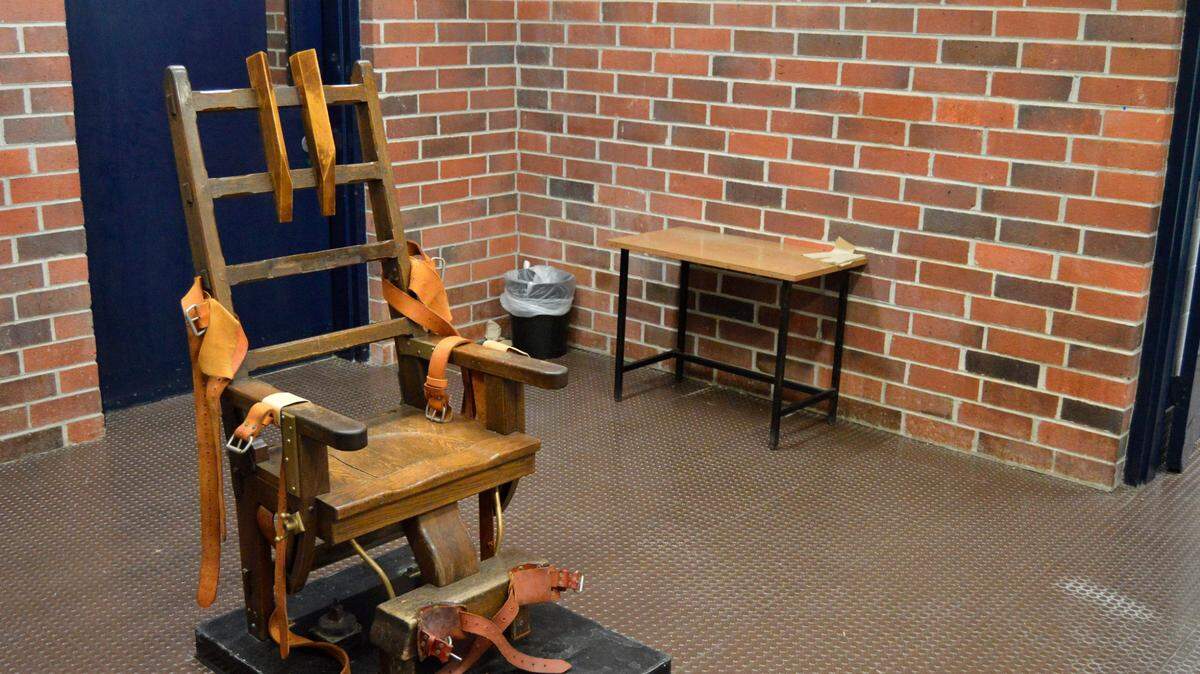
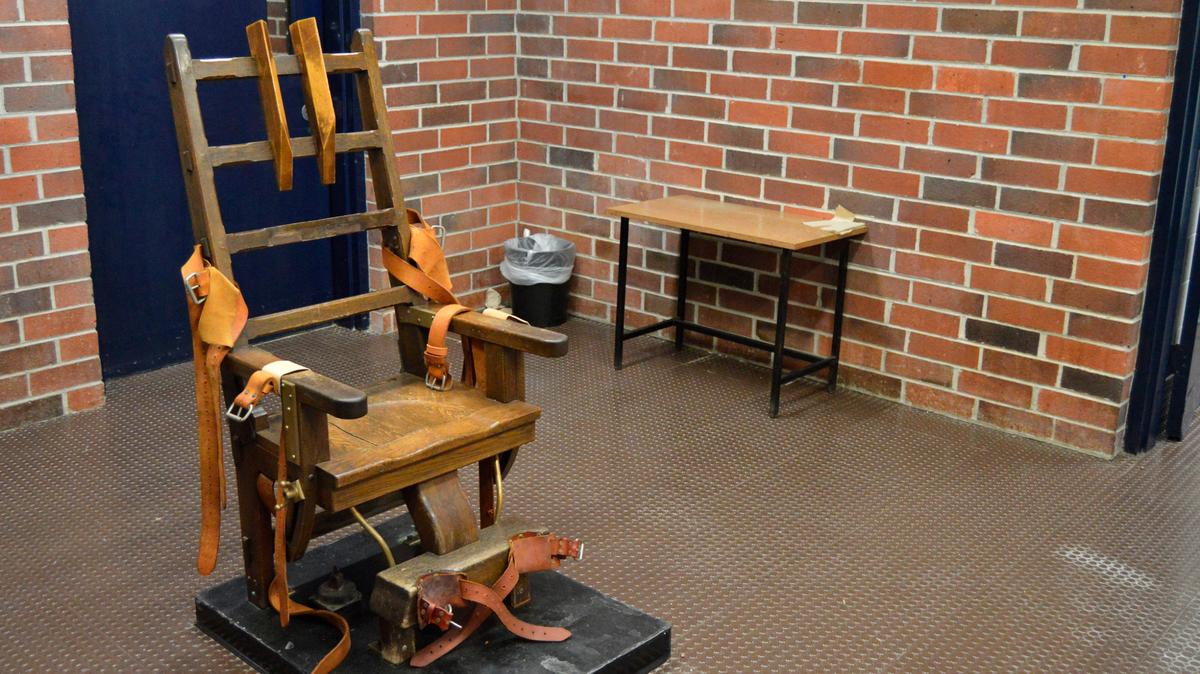
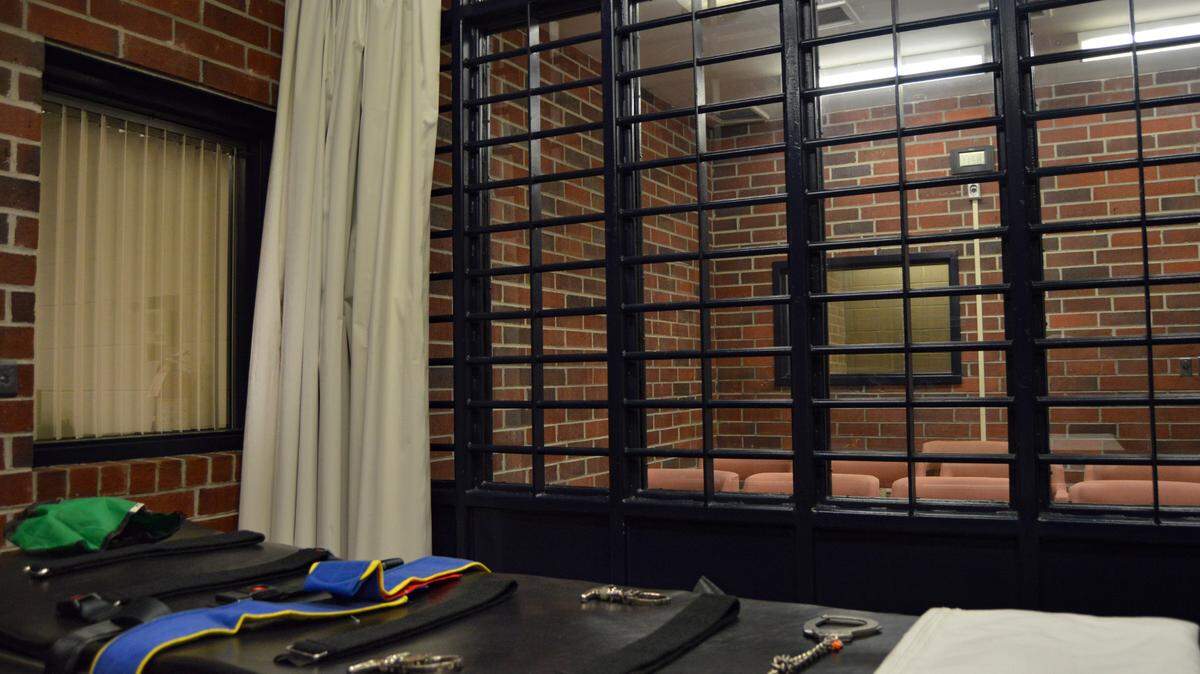
Death row inmates in South Carolina are given the choice of their method of execution between lethal injection, the electric chair and the firing squad.
Expand All
South Carolina officials — which is just a wordy way of saying “we” because officials act in our names until we say “stop” — have killed five death row inmates since the state Supreme Court let executions resume in September.
The court cleared the way for that by ruling the state’s new, unusual method of allowing the condemned to choose death by electric chair, lethal injection or firing squad was humane.
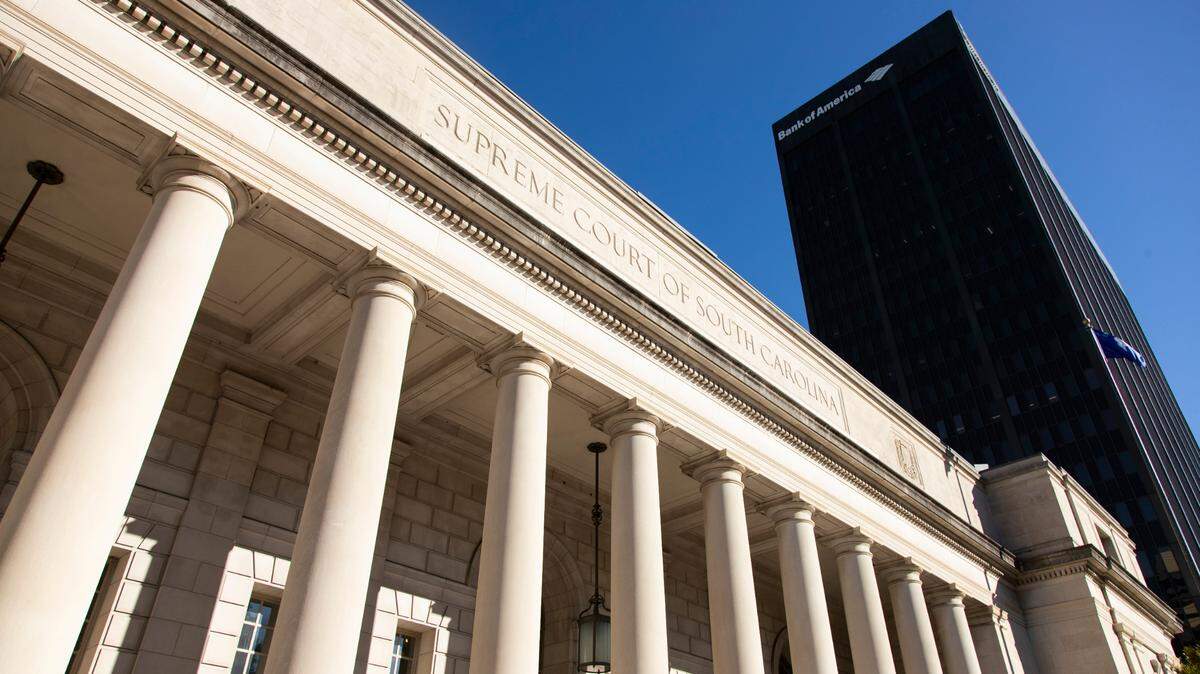
Now, those same judges have been notified that the last execution was badly “botched,” a stunning revelation that should call into question — even for death penalty advocates — whether South Carolina can execute people as state officials — we — say that people shall be executed.
State corrections officials, of course, are saying everything went according to plan. But that’s not the case.
We’ll discuss the newest problem in a minute, but here are the broad brush strokes.
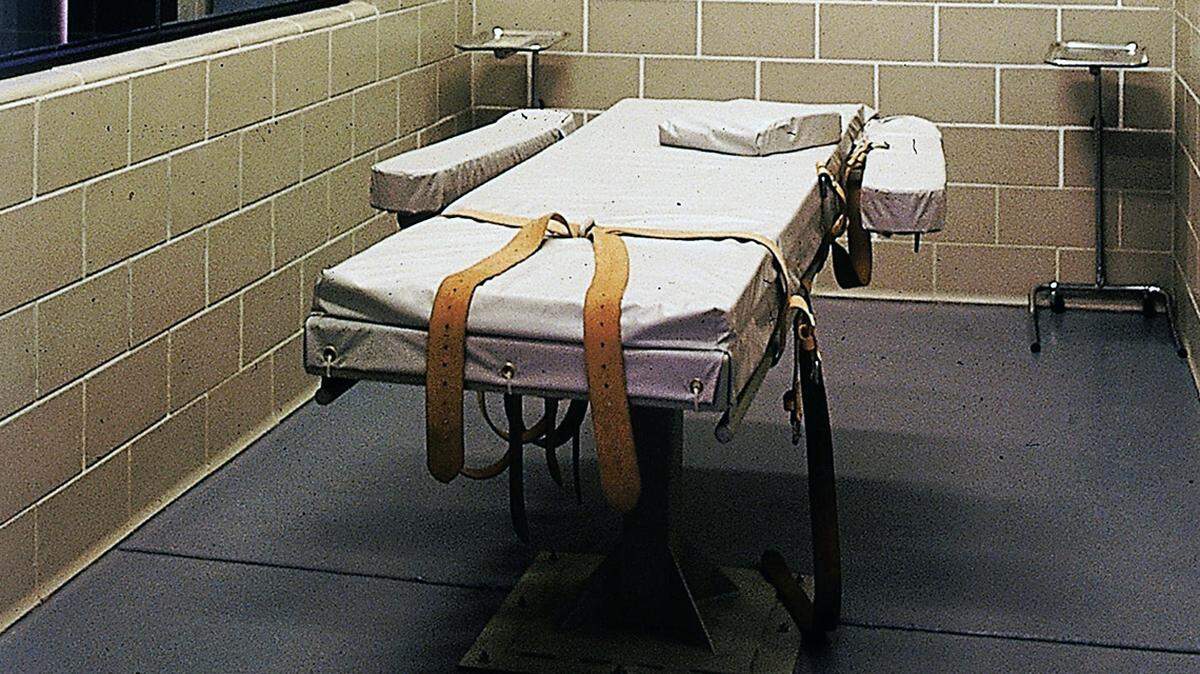
The first three death row inmates with the choice picked lethal injection, and while one of them also chose not to have an autopsy performed, the autopsies of the other two suggested both died horribly in ways the state didn’t intend. That’s because the drug pentobarbital, which South Carolina and 14 other states use in executions, can expand lungs to twice their weight and leave frothy fluid in them, indicative of a pulmonary edema, an outcome that feels like drowning.
Lawyers for the inmate the state would execute next saw the autopsy reports and called the deaths “grisly.”
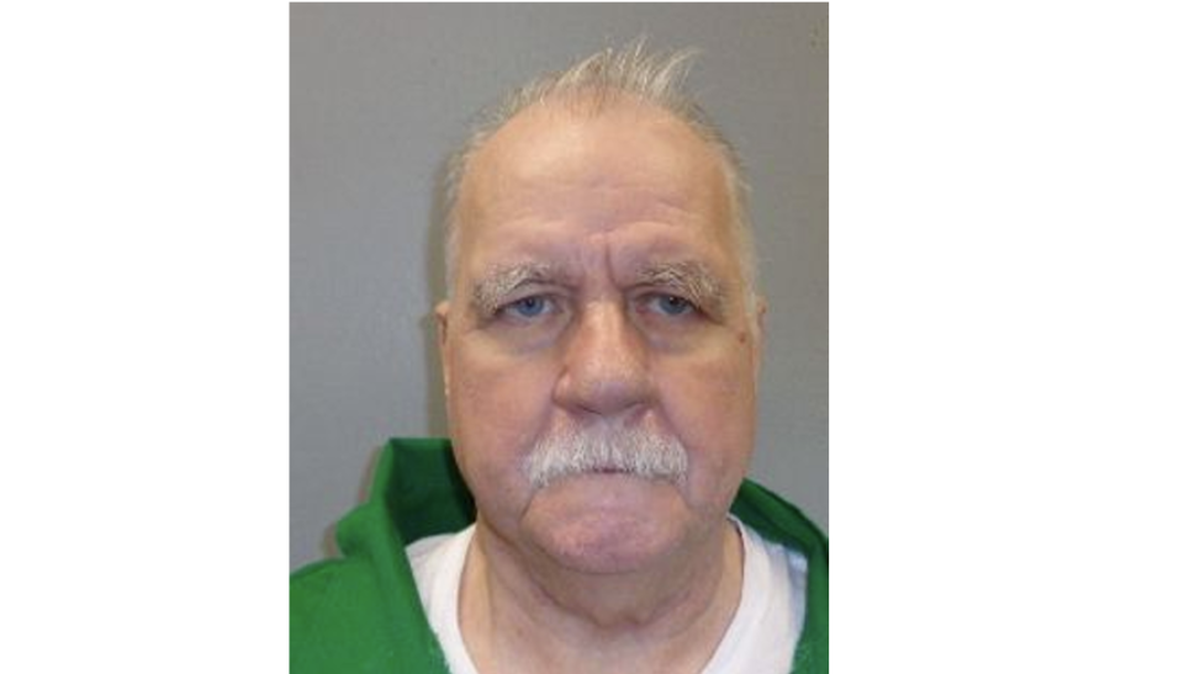
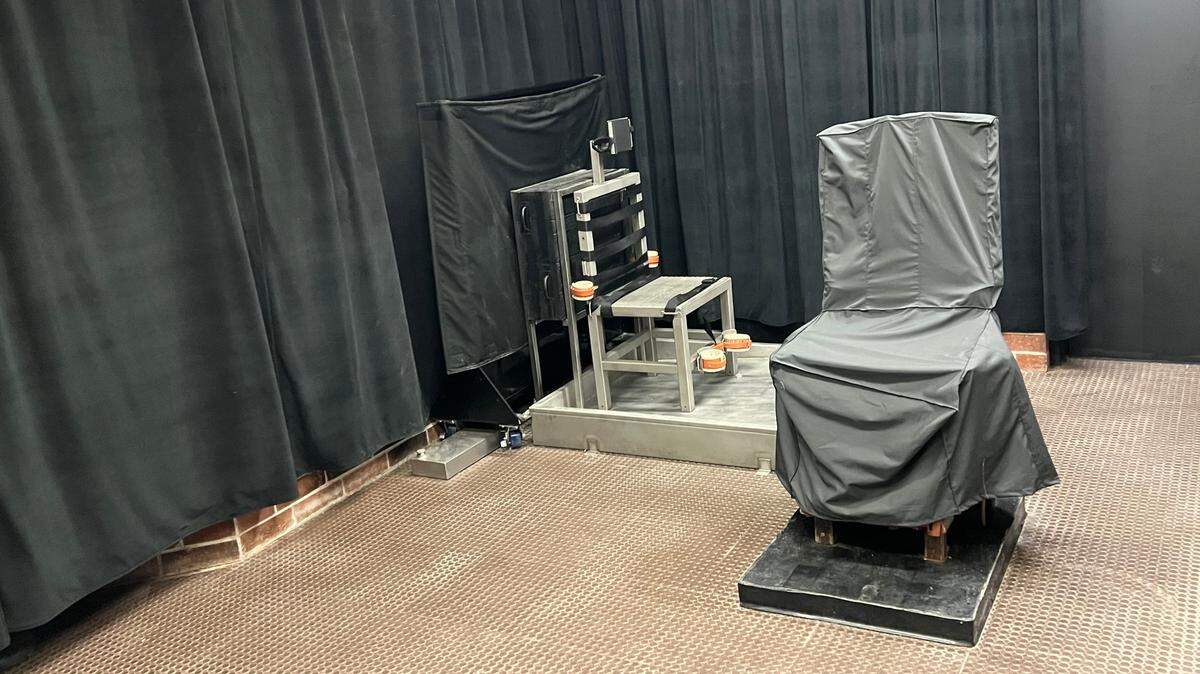
The two most recent death row inmates killed in South Carolina chose execution by firing squad. An autopsy report shows the first died as intended, with three bullet holes over his sternum. The second execution — of 42-year-old Mikal Mahdi on April 11, a month ago — was quite different, although the state denies that, saying all three bullets again hit the man’s heart as prescribed.
Someone’s not telling the truth.
Here’s what we know
Mahdi’s lawyers hired Dr. Jonathan Arden, a 40-year forensic pathologist, to review an autopsy of Mahdi conducted by Dr. Bradley Marcus that was commissioned by the state. Marcus contends two bullets entered the exact same spot, but Arden says that’s “extraordinarily uncommon” and thinks one missed the body. The autopsy report shows two similar looking bullet holes in Mahdi, not three, and not one that appeared larger than the other because two bullets had entered it.
The bullets entered just above his abdomen and “missed the intended target area,” Arden wrote, so fragments perforated the right venticle but didn’t stop the heart.
.jpg "03. current photo - 2023 (1).jpg")
Experts estimate that inmates killed by firing squads may live for 15 seconds after being hit, but Mahdi may have lived up to two to four times that. Arden concluded that Mahi experienced “excruciating pain and suffering” for 30 to 60 seconds.
The autopsy report shows bullet fragments struck Mahdi’s liver, pancreas and the lower lobe of his left lung. But his lawyers said his heart continued to beat after he was shot, which kept him “conscious and in torment.”
“The autopsy confirms what I saw and heard,” lawyer and execution witness David Weiss said in a statement. “Mikal suffered an excruciating death. We don’t know what went wrong, but nothing about his execution was humane.”
In their legal filing with the Supreme Court, Mahdi’s lawyers wrote that “the causes of this botch are unknown.” They also shared some of their questions with the court.
Did one of the expert shooters miss Mahdi entirely? Or not fire at all? How was the center of Mahdi’s heart missed? Did they flinch or miss because of inadequate training? Was a target over Mahdi’s heart misplaced?
That’s unclear.
That’s unclear — for now.
Hopefully, the state will shed some light on this.
Elected officials should demand hearings.
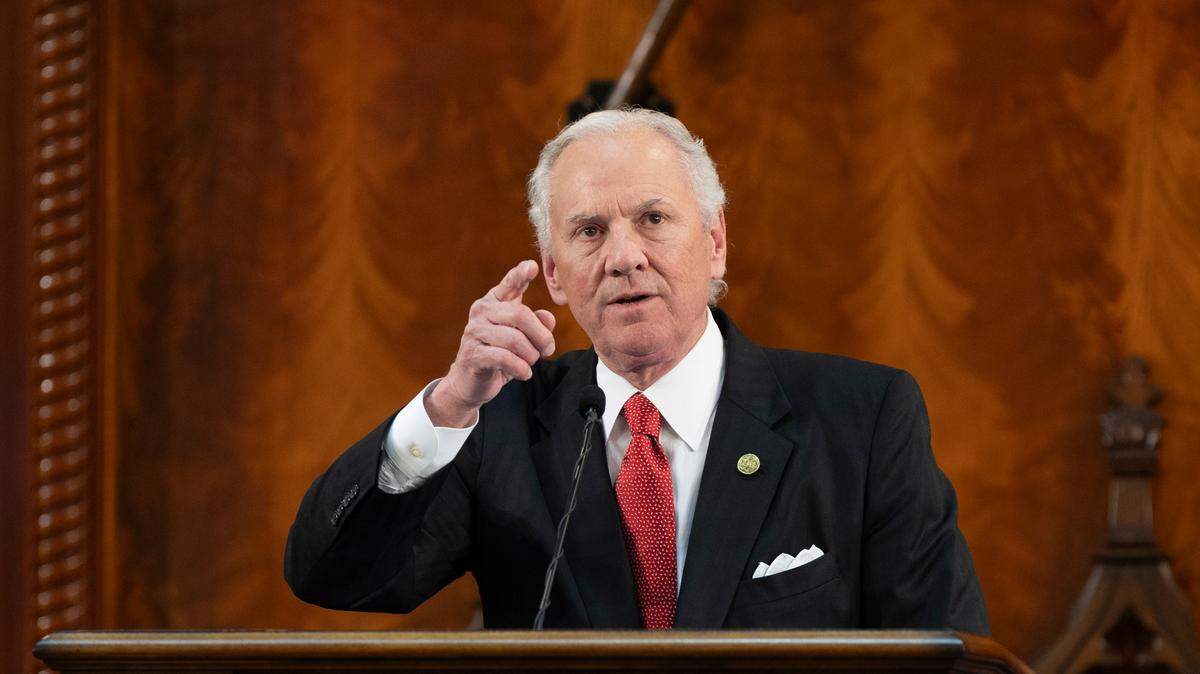
Someone in a position of power — a state lawmaker? Attorney General Alan Wilson? Gov. Henry McMaster? — may need to make pushing for answers a priority — because the South Carolina Department of Corrections was too quick to say it followed protocol while disputing the report of Mahdi’s team.
SCDC spokeswoman Chrysti Shain told a reporter for The State that a medical professional had used a stethoscope and chest X-ray to pinpoint the location of Mahdi’s heart and that afterward the department conducted a standard after-action review and found no issues with the process.
There’s a big difference between botched and fine. Someone’s not telling the truth.
And the secrecy the state shrouds itself in works against the benefit of the doubt.
Too many questions
There are too many questions about the last execution to simply accept the state’s version that there is nothing to see here and move on. There is also no time to waste.
The next execution may be scheduled for next month. And another soon after.
“There were errors here that can — and must — be identified and corrected,” Mahdi’s lawyers wrote in their filing. “What happened to Mikal Mahdi was far from painless, and far from humane.”
This is the most damning evidence yet that the state needs more public oversight and more judicial scrutiny. It’s also a reminder the state has gone on its killing spree without releasing autopsy records despite calls to do so by me and others.
To date, these records have emerged publicly only in legal filings. But, given the grave questions about executions the autopsy reports raise, and the inconsistent approach to autopsies they reveal, that needs to change.
The state needs to start releasing autopsy records soon after each execution. This new evidence is a reminder this is more than an eye for an eye if we turn a blind one.
None of this will settle the emotional debate over capital punishment once and for all. But I hope it’s enough to get people to realize the state is neither equipped nor prepared for the massive responsibility of executing people in our name.
This is obviously not what death penalty opponents ever wanted.
But it’s not what advocates or even corrections officials signed up for, either.
A drug that doesn’t work as advertised in lethal injections?
Sharpshooters that miss a heart and maybe a body from 15 feet away?
Something’s dead wrong with South Carolina’s death penalty.
This story was originally published May 13, 2025 at 5:00 AM.
.jpg)