No more $1K FOIA fees: How SC’s charter school overhaul forces sector to open its books
READ MORE
Unchartered Territory
Unchartered Territory is an ongoing series by The State Media Co. about South Carolina’s changing charter school landscape
Expand All
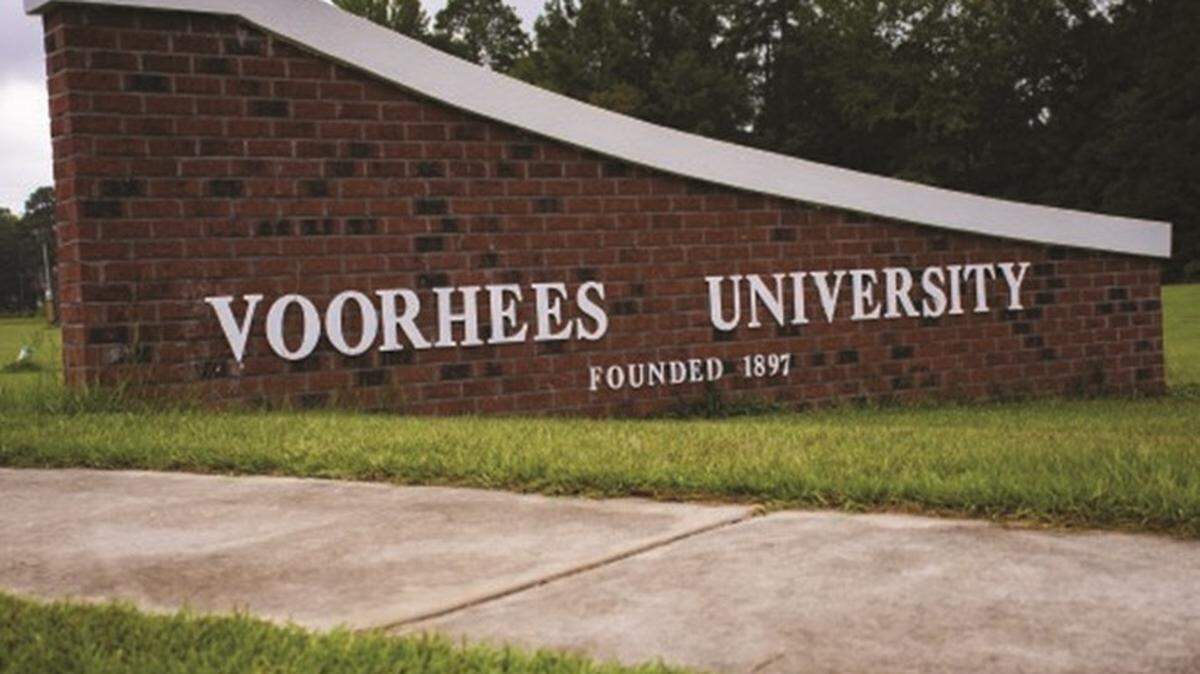
After the Voorhees University Charter Institute of Learning approved its first charter school last month, The State Media Co. asked the authorizer for a copy of the school’s application.
Voorhees’ executive director responded that it would take 15 to 25 hours of staff time to comply with the request. If The State wanted a copy of the standard document, it would need to pony up between $765 and $1,275, she said.
The newspaper hasn’t paid the hefty fee. Following last week’s passage of the Charter School Accountability Act, it won’t have to — and neither will anyone else.
The state’s new charter schools law, which took effect Friday, requires authorizers to post all charter school applications “in a prominent location” on their websites.
The new requirement is just one way the law enhances transparency and accountability in the growing sector, which serves more than 66,000 students statewide, according to the S.C. Department of Education.
The reform legislation, which came together last week after a series of interchamber negotiations between House and Senate education leaders, has significant implications for charter schools, the authorizers that oversee them and the Department of Education, which will now oversee authorizers.
Below, we’ve broken down five ways the law enhances transparency and why it matters.
Mandatory spending disclosures
All charter schools are now required to post monthly check registers and credit card statements on their websites. The registers must contain a complete record of all school purchases over $100, excluding salaries paid to individual employees. For each purchase, schools must list the vendor, transaction amount and a detailed description of the expenditure.
Why it matters
While school districts in South Carolina, including the state’s charter school authorizers, are already required to post this information on their websites, getting financial transaction data from individual schools can be more challenging. Charter schools typically only disclose spending information in response to Freedom of Information Act requests, which they charge requestors to fulfill. Going forward, if members of the public have questions about how their schools are spending taxpayer dollars, they won’t have to wait six weeks and fork over hundreds of dollars to get answers.
Management company transparency
Charter schools that contract for services with education management organizations, or EMOs, must now post their contracts with those companies on their websites.
Why it matters
A growing number of South Carolina charter schools are operated by private management companies that rake in millions of public dollars through no-bid contracts.
These companies typically provide educational, financial and administrative services to schools in exchange for a fee — generally 10% to 15% of revenues.
When the relationship between a local charter school board and its contracted management company goes south — as has occurred several times in recent years due to concerns over financial mismanagement and control — the situation can get messy. By requiring schools that use management companies to disclose those arrangements upfront, parents and the public are better positioned to hold schools accountable.
Minimizing conflicts of interest
The new law prohibits people with conflicts of interest from working for, or serving on, the boards of charter schools and charter school authorizers.
Why it matters
South Carolina’s charter school sector is insular and tight-knit, with individuals sometimes cycling through roles at schools, authorizers and management companies over the course of their careers.
Many of the dual relationships that are now prohibited have existed in the past in South Carolina.
Below are just a few of the actual situations that would no longer be permissible under the new law:
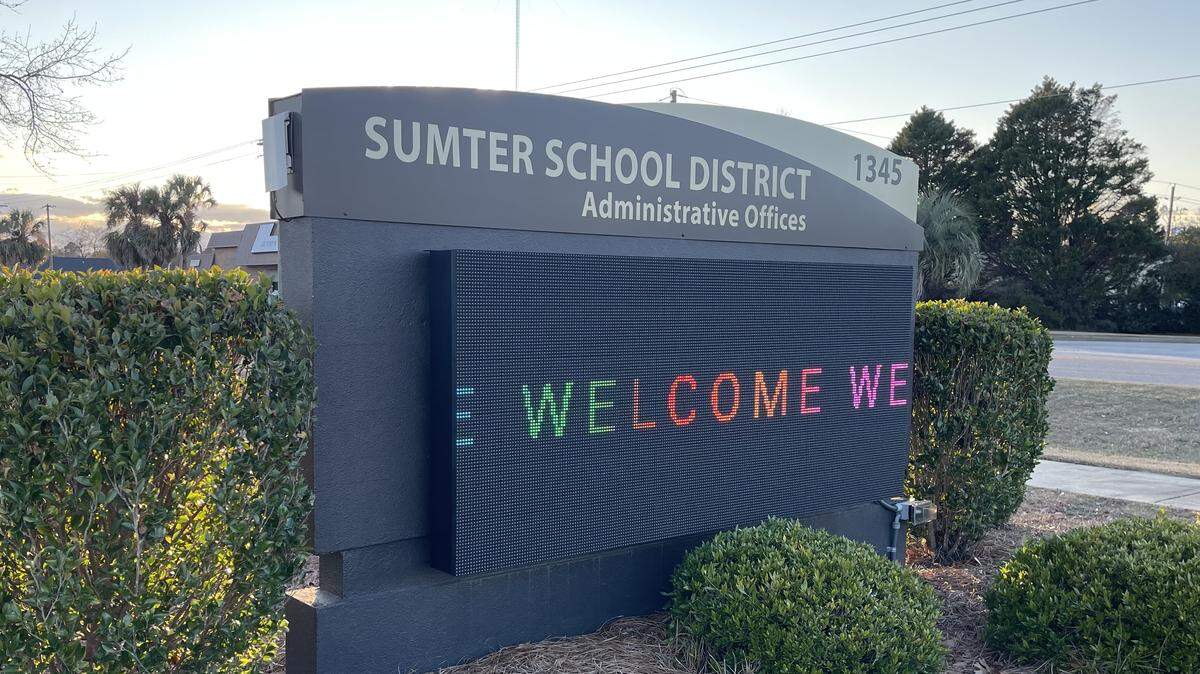
- Shawn Ragin, chairman of the Sumter County School District board, was approved last year to open a charter school that would compete for students and staff with the district he was elected to serve. Ragin’s school, RISE Entrepreneurial Leadership Institute, recently announced it would delay opening until next year due to difficulty securing a location for the fall.
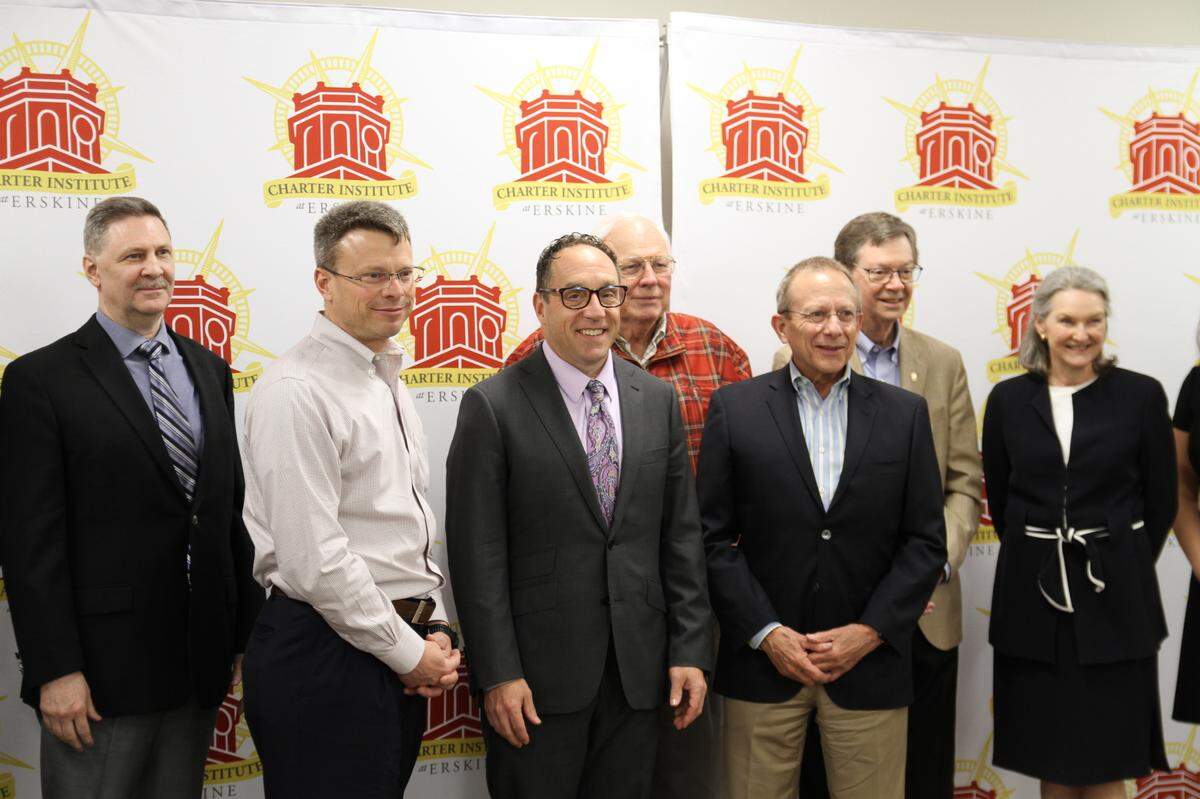
- Brian Newsome, principal of Gray Collegiate Academy and vice chair of the Education Oversight Committee, had until last year worked as a consultant for his school’s authorizer, the Charter Institute at Erskine.
- Mark Shuler, former chair of Ascent Classical Academy in Rock Hill, is the father of Derec Shuler, the founder and CEO of the school’s founding education management organization.
- James Galyean, former Belton Preparatory Academy board member, founded the Anderson-based education management organization that previously operated the school.
Subject to FOIA and Ethics laws
All charter school authorizers are subject to the South Carolina Freedom of Information Act and their employees and governing boards are subject to ethics and government accountability requirements.
Why it matters
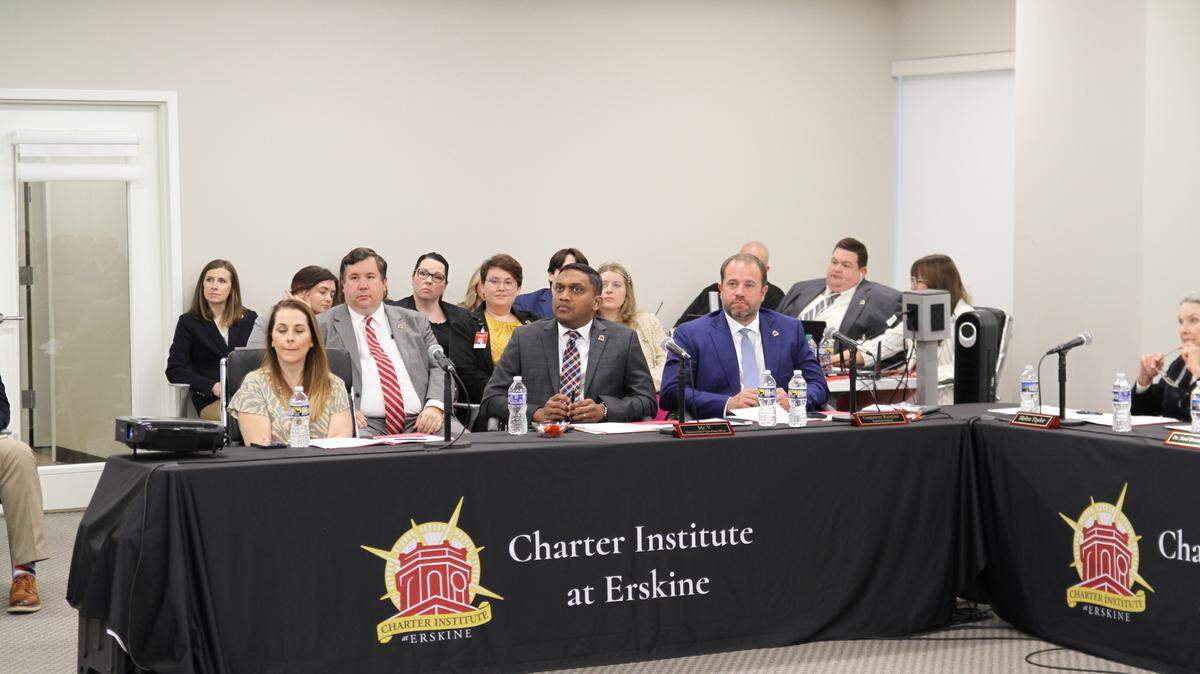
Charter school authorizers affiliated with private colleges and universities, such as the Charter Institute at Erskine, had not previously been required to abide by ethics and government accountability requirements, the S.C. Ethics Commission found.
While the Charter Institute voluntarily complied with some ethics requirements, it did so selectively.
The taxpayer-funded district claimed immunity from government accountability requirements last year, for example, after being questioned about its superintendent’s accumulation of credit card reward points earned on district purchases.
It also has claimed selective exemptions from FOIA, the law that gives people the right to request records from public agencies. When asked last year for a copy of the superintendent’s contract, a lawyer for the Charter Institute told The State its employees’ records were not public.
Prior to that, the district argued that because it was a “private nonprofit organization,” it did not have to disclose donations it said had paid for its leadership cohort’s 2024 trip to London.
Despite the fact the new law would seemingly prohibit the Charter Institute from continuing to make those arguments, the district has publicly supported the law and celebrated its passage.
In a statement posted on its Facebook page last week, the Charter Institute thanked the General Assembly for stabilizing the sector and providing “much needed support and accountability at all levels in the charter world.”
Restrictions on selling services to schools
While authorizers are still permitted to sell services to schools, they must now seek permission to do so from the Department of Education and post on their websites a list of the services they offer, the prices they charge and the amount they earn from each school.
Further, authorizers are now prohibited from influencing or attempting to influence a charter school to contract for services and from conditioning approval, renewal or evaluation outcomes on the purchase of any goods or services, among other restrictions.
Why it matters
An independent state watchdog agency determined last year that Teach Right USA, a vendor financially and administratively supported by the Charter Institute at Erskine, had contracted for services with four Institute-sponsored schools.
While the terms of those agreements are unknown, good government advocates have long warned that allowing authorizers to sell services to schools whose fates they control is a recipe for potential abuse.
Under the new law, authorizers would have less ability to exert pressure on schools to purchase services they do not want or need, and the public would have greater insight into authorizers’ financial relationships with the schools they oversee.